
Can Muslims Eat Street Food in Hanoi?
HalalGo Team
Verification Team • 1/3/2026
Yes, Muslims can eat street food in Hanoi, but it requires awareness, preparation, and careful decision-making. Vietnam’s street food culture is world-famous for its affordability, flavor, and variety, yet it is also heavily influenced by pork-based ingredients and cooking methods that may not align with halal dietary laws. For Muslim travelers, this creates both challenges and opportunities.
While Hanoi is not traditionally a Muslim-majority city, the growing number of Muslim tourists and expatriates has led to increasing halal awareness, especially in central districts such as the Old Quarter, Hoan Kiem, Ba Dinh, and areas near mosques.
Understanding the Challenges of Hanoi Street Food
The main challenge for Muslims eating street food in Hanoi is the widespread use of:
Pork (thịt heo) as the primary protein
Pork-based broths and fats, even in dishes that appear vegetarian
Alcohol-based ingredients, such as rice wine or fermented sauces
Shared cooking surfaces and utensils, which can lead to cross-contamination
Many iconic Vietnamese street foods—such as bún chả, nem rán, and phở truyền thống—are traditionally made with pork or beef that is not halal-slaughtered. As a result, Muslim travelers must be selective and informed when choosing what to eat.
Halal-Friendly Street Food Options in Hanoi
Despite these challenges, there are halal-friendly or low-risk street food options available, particularly vegetarian, egg-based, or plant-based snacks that are commonly sold across Hanoi’s markets and street corners:
Bánh mì trứng (egg sandwich)
Ask specifically for no pâté, no pork floss, and no sausage. This is a popular breakfast item and can be customized easily.Grilled corn (bắp nướng) and roasted sweet potatoes (khoai lang nướng)
Widely sold in the evenings, these are naturally halal and safe.Fresh tropical fruits
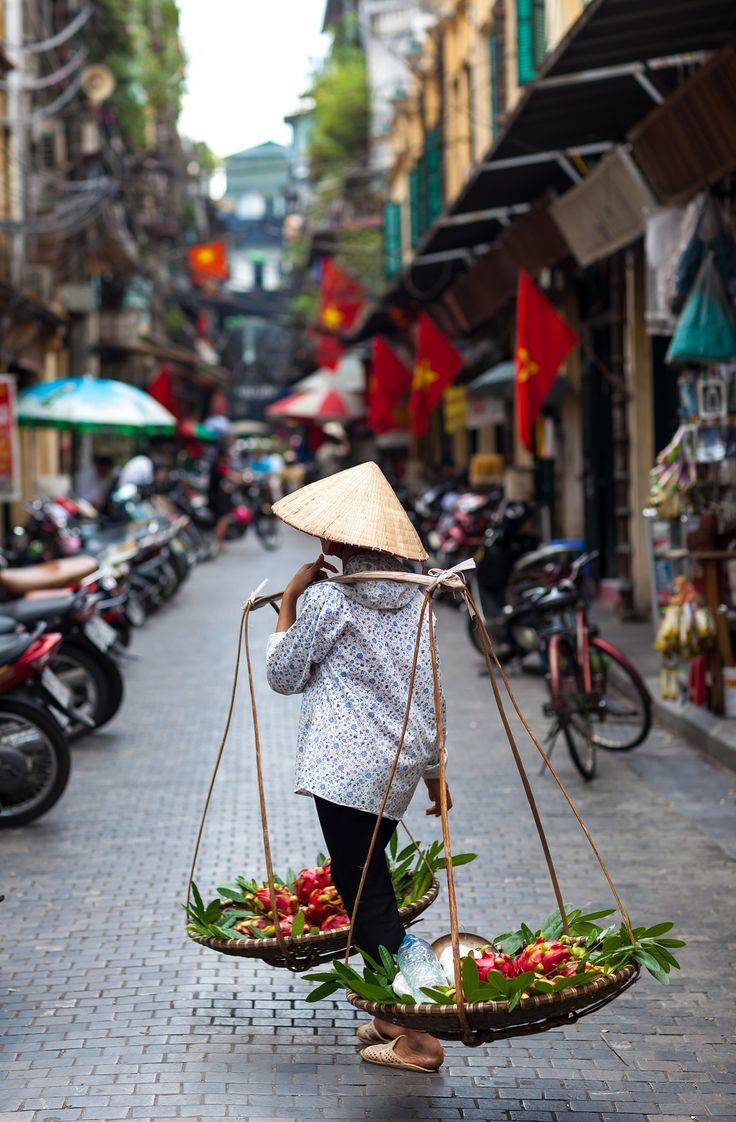
Including dragon fruit, mango, papaya, watermelon, pineapple, and longan. These are sold by street vendors and markets throughout the city.Vegetarian spring rolls (nem chay)
Only if clearly labeled vegetarian and fried separately from meat products.Chè (Vietnamese dessert soups)
Sweet desserts made with beans, coconut milk, jelly, corn, or bananas. Always confirm there is no alcohol or animal fat used.
Most street snacks cost between $1–$3 USD, making them budget-friendly options for travelers.[1]
Practical Strategies for Muslim Travelers
To reduce confusion and risk, Muslim travelers are strongly encouraged to prepare ahead:
Carry a Vietnamese translation card that says:
“Không thịt heo, không rượu”
(No pork, no alcohol)When possible, ask if food is chay (vegetarian)
Observe the stall carefully: if pork is displayed openly, cross-contamination is likely
Avoid broths unless the ingredients are clearly explained
Eat freshly cooked food rather than pre-prepared items
These steps greatly improve communication with vendors and help ensure halal compliance.
Certified Halal Restaurants in Hanoi (Best Option)
For Muslims seeking maximum confidence and peace of mind, halal-certified restaurants are the safest and most reliable option. Hanoi has a growing number of halal establishments serving Vietnamese-style dishes and international cuisines, many of them located near mosques.
Notable halal restaurants include:
Zaynab Restaurant (12 Hàng Lược Street)
Middle Eastern and Vietnamese halal dishesPhở Muslim (42 Hàng Cót Street)
Authentic halal phở, run by a local Muslim family near Al-Noor Mosqued’Lions Restaurant (92 Lê Duẩn Street)
Malaysian–Singaporean halal cuisine with certificationNamaste Hanoi (46 Thợ Nhuộm Street)
Indian halal food with vegetarian optionsBatavia Halal Indonesian Restaurant (116 Ngọc Hà Street)
Indonesian and Malay halal specialties
Meals at certified halal restaurants typically cost $5–$15 USD.[4]
Many of these restaurants display halal certificates clearly and are located close to Al-Noor Mosque, which also provides prayer facilities for travelers.
Key Takeaway for Muslim Visitors
While adventurous Muslim travelers can enjoy selected street food in Hanoi, the highest level of halal assurance comes from eating at halal-certified restaurants. Combining cautious street food exploration with certified dining options allows Muslims to experience Hanoi’s vibrant food culture while maintaining religious dietary requirements.
With preparation and local knowledge, Hanoi can be both a delicious and halal-conscious destination for Muslim travelers.